The IAF Americas Conference 2026 will bring us together in late April in Monterrey, México, at a meaningful place for our community of facilitators: a space to learn, share experiences, challenge assumptions, and strengthen connections through meaningful dialogue.
Yet every conference is also an experience. The place that hosts us is not merely a backdrop, but an active participant in what unfolds. It influences conversations, sets the rhythm, shapes the interactions, and affects how we connect with one another.
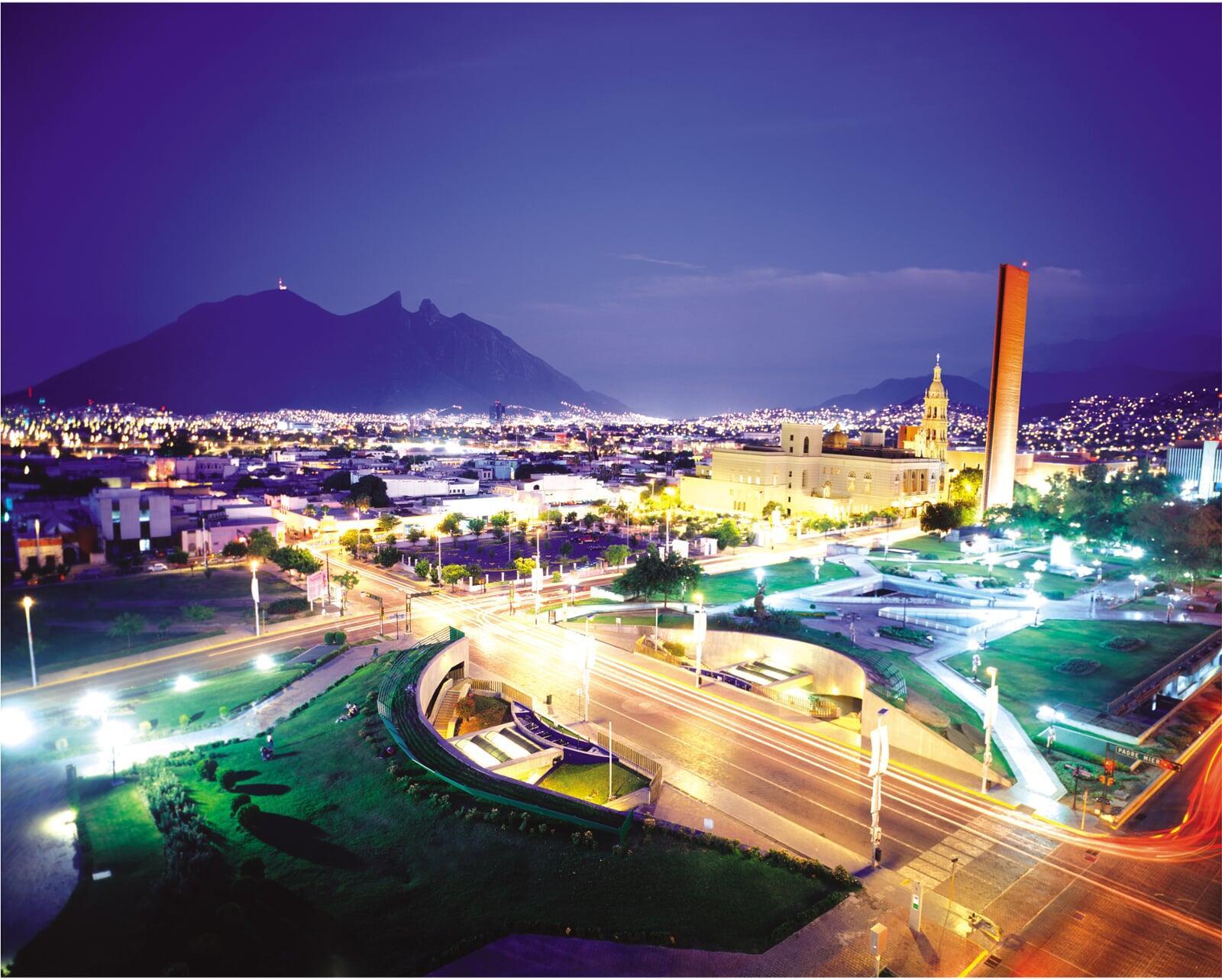
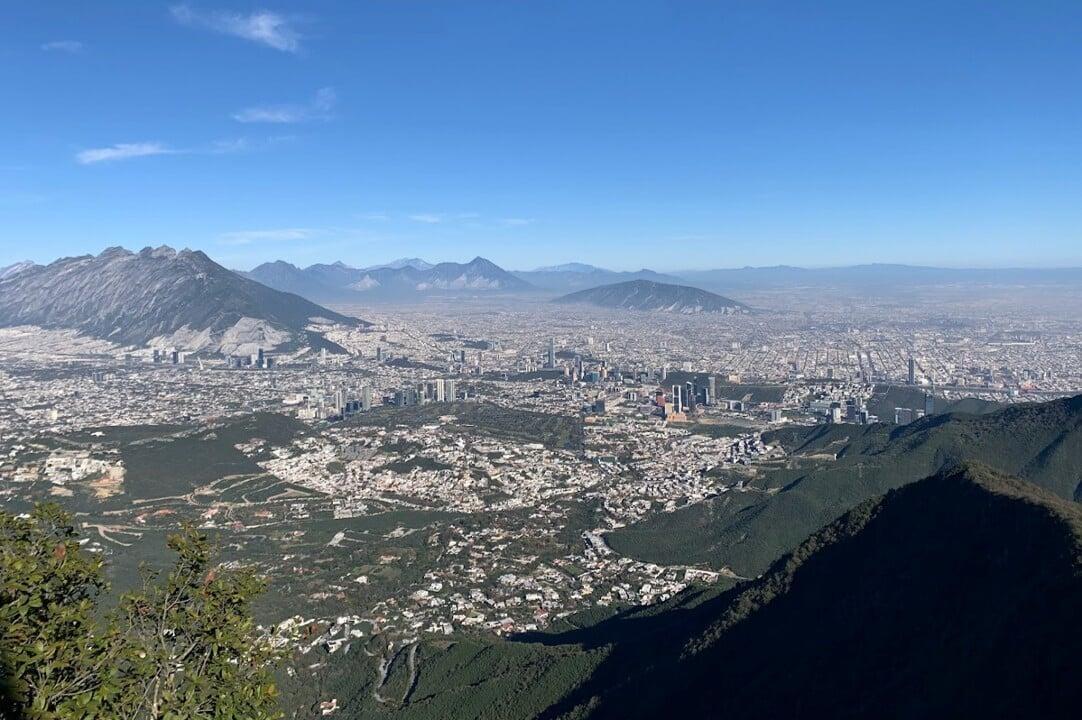
Monterrey is a city of deep contrasts. Industry and nature intermix here, as do tradition and innovation, disciplined work and close-knit community life. Known as La Sultana del Norte, Monterrey is a city shaped by collective effort, resilience, and a strong sense of local identity. Surrounded by mountains, its landscapes defines not only the horizon, but also the character of its people: direct, welcoming, and deeply committed to building their future.
First-time visitors to Monterrey are often surprised. This is not a city that reveals itself all at once. It is discovered through deliberate exploration, in conversations, shared meals, and by allowing its spaces to tell their stories. Monterrey invites careful observation, attentive listening, and the discovery of meaning both in its landmark achievements and in everyday moments.
In this spirit, we invite you to experience Monterrey beyond the conference agenda. To explore its cultural, natural, and communal spaces as an extension of learning: places where conversations will continue, reflection can arise, and connection happens.
Whether you have a few free hours, an extra day, or plan to extend your stay prior or after, this guide curated by our local team will accompany you with some key recommendations to discover the city that welcomes us—honoring its history, its people, and its energy.
Because facilitation is also about opening ourselves to the site, and Monterrey as our site has something valuable to teach us.
Welcome to Monterrey. Welcome to an experience that goes beyond the conference.
Nature
Culture
History
1. Paseo Santa Lucía
An urban corridor stretching over 2.5 kilometers, winding through fountains, bridges, and murals, connecting the historic downtown with Parque Fundidora. You can explore it on foot or by boat, enjoying sculptures, green spaces, and a relaxed atmosphere that invites conversation and contemplation. As evening falls, the lights reflected on the water create a magical setting that reflects the city’s modern spirit.
Wikimedia Commons:
https://commons.wikimedia.org/wiki/Category:Paseo_Santa_Luc%C3%ADa
2. MARCO – Museum of Contemporary Art
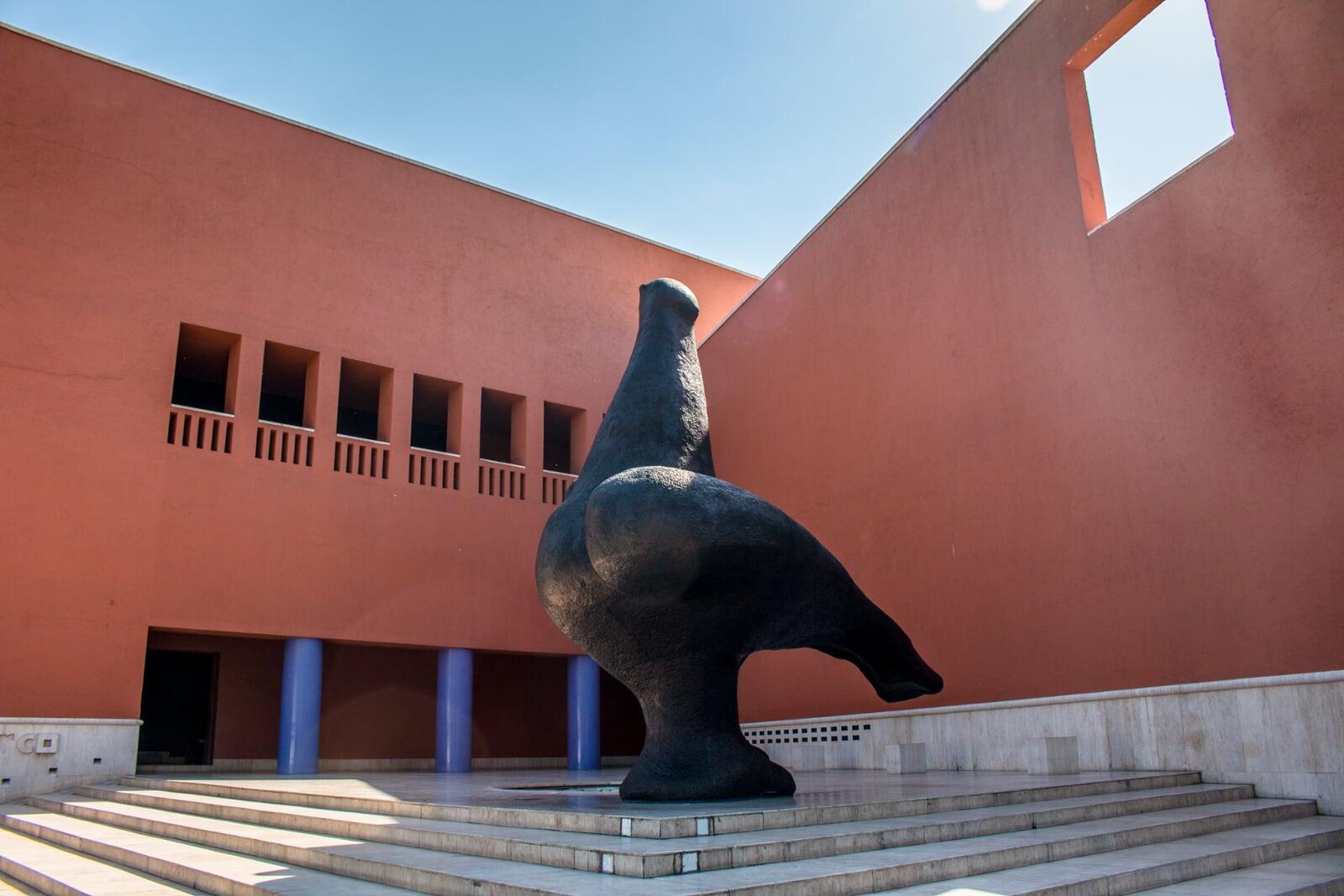
Located in the heart of Monterrey, MARCO is an architectural gem designed by Ricardo Legorreta. Its spacious galleries host national and international exhibitions that invite reflection on art, society, and identity. The iconic dove sculpture at the entrance symbolizes openness and peace—values that resonate deeply with the spirit of facilitation.
Wikimedia Commons:
https://commons.wikimedia.org/wiki/Category:Museum_of_Contemporary_Art_of_Monterrey
3. Parque Fundidora & Horno³
Once a steel foundry, this space has been transformed into a public park that blends history, culture, and recreation. Its expansive grounds host concerts, fairs, and exhibitions, while Horno³ offers an interactive experience focused on Monterrey’s industrial heritage, featuring observation decks, workshops, and activities for all ages. It is a powerful example of how the city transforms its past into opportunities for learning and connection.
Wikimedia Commons:
https://commons.wikimedia.org/wiki/Category:Fundidora_Park
4. Barrio Antiguo
The bohemian soul of Monterrey. Its cobblestone streets and colorful colonial façades are home to galleries, bars, cafés, and restaurants where music and conversation flow at an unhurried pace. It is an ideal place to enjoy a relaxed evening, discover local art, or simply immerse yourself in the creative energy that characterizes the Monterrey community.
Wikimedia Commons:
https://commons.wikimedia.org/wiki/Category:Barrio_Antiguo,_Monterrey
5. Cerro del Obispado & Asta Bandera Lookout
This historic hill is home to the former Bishop’s Palace, an 18th-century architectural landmark that now operates as a museum. From its lookout point—crowned by one of the largest flagpoles in Mexico—you can enjoy sweeping panoramic views of the city and surrounding mountains. It is an ideal place to understand Monterrey’s history, geography, and regional pride.
Wikimedia Commons:
https://commons.wikimedia.org/wiki/Category:Cerro_del_Obispado
6. Chipinque – Nature Reserve
Part of the Cumbres de Monterrey National Park, Chipinque offers hiking trails, scenic viewpoints, and opportunities to observe local flora and fauna. It is a natural refuge where fresh air and birdsong invite introspection. Ideal for morning walks, cycling, or simply enjoying views of the iconic Cerro de la Silla in a peaceful, natural setting.
Wikimedia Commons:
https://commons.wikimedia.org/wiki/Category:Chipinque_Ecological_Park
7. Santiago, Pueblo Mágico
Just 40 minutes from Monterrey, this charming town blends colonial architecture, cobblestone streets, and a warm, welcoming atmosphere that invites you to linger. Its main plaza, the Cola de Caballo waterfall, and restaurants overlooking La Boca Dam make Santiago an ideal destination to reconnect with nature and tradition.
Wikimedia Commons:
https://commons.wikimedia.org/wiki/Category:Santiago,_Nuevo_Le%C3%B3n
8. Grutas de García
Located in the municipality of García, these impressive caves—formed more than 60 million years ago—offer an underground journey through stalactites and stalagmites. Accessed by cable car, the experience includes spectacular views of the surrounding mountains. Inside, carefully designed lighting highlights the natural formations that tell the geological story of the region.
Wikimedia Commons:
https://commons.wikimedia.org/wiki/Category:Garc%C3%ADa_Caves
9. Matacanes (Adventure Experience)
Considered one of the top canyoning destinations in Latin America, Matacanes offers an experience filled with adrenaline and deep connection to nature. Water jumps, natural slides, caves, and waterfalls create a route that demands teamwork, trust, and an adventurous spirit. It is a transformative experience for those seeking to step outside their comfort zone and challenge their limits.
Wikimedia Commons:
https://commons.wikimedia.org/wiki/Category:Matacanes
10. BBVA Stadium – Rayados de Monterrey
Known as El Gigante de Acero (“The Steel Giant”), this stadium is a symbol of modernity and local pride. Its cutting-edge design offers spectacular views of Cerro de la Silla and an immersive experience for fans. In 2026 it will hosts four World Cup games at the Group Stage.
Wikimedia Commons:
https://commons.wikimedia.org/wiki/Category:BBVA_Stadium
Each of these experiences offers more than a place to visit. They are invitations to connect—with the city, with one another, and with the broader context that shapes our work as facilitators. In Monterrey, learning continues beyond the conference room, carried by conversation, landscape, and shared experience.